Sebastian Castellio: Champion of Religious Liberty
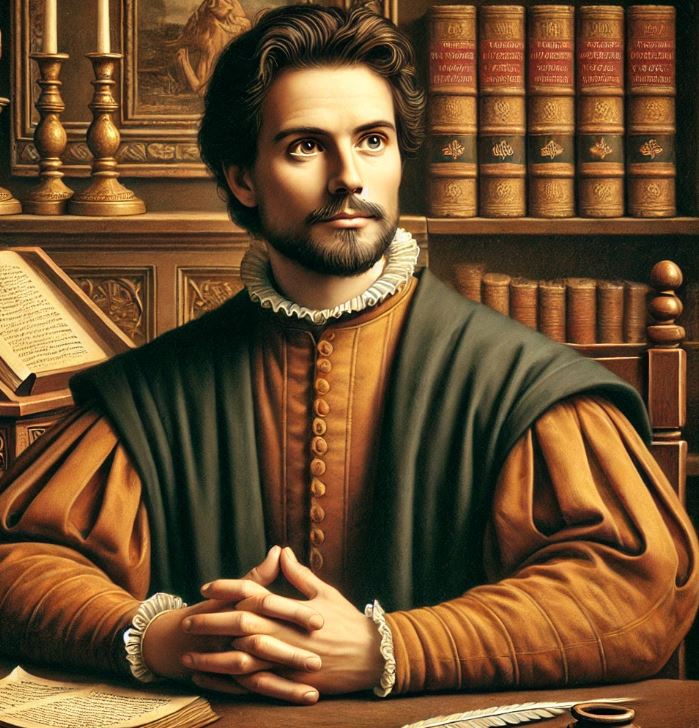
Sebastian Castellio (1515–1563) was a French-born theologian, humanist, and staunch advocate for religious liberty during the turbulent years of the Protestant Reformation. He is best remembered for his principled opposition to John Calvin’s role in the execution of Michael Servetus, an event that would define Castellio’s life and legacy as a champion of freedom of conscience.
Early Life and Education
Born in Saint-Martin-du-Fresne in the Duchy of Savoy, Castellio showed early promise as a scholar. He studied at the University of Lyon, where he developed a love for languages and classical learning. His intellectual pursuits eventually led him to Geneva, where he briefly collaborated with John Calvin and served as rector of the city’s school system. However, doctrinal differences and Castellio’s growing discomfort with Calvin’s authoritarian style caused their relationship to sour.
The Turning Point: The Execution of Michael Servetus
The execution of Michael Servetus in 1553 was a watershed moment for Castellio. Servetus, a Spanish theologian and physician, was condemned as a heretic for his non-Trinitarian, modalistic views and burned at the stake in Geneva under Calvin’s watch. Severely appalled by this act, Castellio publicly condemned the use of all violence in matters of faith.
In his writings, Castellio argued that coercion in religion was antithetical to the teachings of Christ. His seminal work, De Haereticis, an sint persequendi (On Heretics, Whether They Should Be Persecuted), published in 1554, posed a powerful moral question: “To burn a man is not to defend a doctrine, but to kill a man.” Castellio’s arguments were revolutionary for their time, advocating for tolerance and the right of individuals to hold dissenting religious beliefs without fear of persecution. As one could imagine, Castellio’s writings earned him the ire of Calvin and the Reformed believers in Geneva.
A Vision for Religious Liberty
Castellio’s vision of religious liberty was deeply rooted in his belief in the sanctity of individual conscience. He argued that no human authority—whether ecclesiastical or political—had the right to compel belief or punish dissent. This principle placed him at odds with both Catholic and Protestant authorities, who viewed uniformity of faith as essential to societal order.
Despite facing fierce opposition and personal hardship, including exile and poverty, Castellio remained unwavering in his defense of religious freedom. His writings and ideas influenced later thinkers, including the Enlightenment philosophers such as John Locke, who would champion the liberty of conscience and the eventual separation of church and state.
Legacy
Sebastian Castellio’s courageous stand against religious persecution earned him both admiration and condemnation in his lifetime. Though he died in relative obscurity and in abject poverty, his ideas laid the groundwork for modern conceptions of religious liberty and human rights. Castellio’s insistence on the primacy of conscience and his critique of theological tyranny resonate today as enduring principles in the ongoing struggle for freedom of belief.
In a world still struggling with the realities of religious intolerance, Castellio’s life serves as a timeless reminder of the moral imperative to defend the rights of others—even, and especially, when we disagree with them.